
Premenstrual Dysphoric Disorder (PMDD) is a serious condition that affects your mood, daily life, and relationships. It’s different from regular premenstrual syndrome because it causes big mood swings during the luteal phase. Understanding the biological triggers is key to managing your health.
Doctors use specific criteria to spot PMDD from other mood disorders. To get a correct diagnosis, you need to keep track of your symptoms for several months. This helps your doctor confirm the diagnosis. You can also try an anti-inflammatory diet for PMDD to manage symptoms with nutrition.
Modern research on causes of PMDD shows it’s linked to hormones and brain chemistry. Though the exact cause is not fully understood, experts say hormonal sensitivity is a big factor. By keeping up with the latest causes of PMDD research, you can make better choices for your health.
Key Takeaways
- PMDD is a distinct, severe condition that requires formal clinical diagnosis.
- Consistent symptom tracking is the most important tool for identifying your unique patterns.
- The disorder is characterized by intense mood shifts occurring during the luteal phase.
- Current scientific evidence points toward abnormal sensitivity to normal hormonal changes.
- Nutrition and lifestyle adjustments may help mitigate symptoms by addressing underlying inflammation.
Hormonal Factors
Looking into PMDD, you might be surprised to find that hormone levels are often normal. Many think PMDD hormones are just out of balance. But, it’s more complex than that. Current research suggests an atypical sensitivity to the natural changes in your menstrual cycle.
Your body has a natural rhythm of estrogen and progesterone changes every month. For most, these changes don’t cause big emotional issues. But, if you have PMDD, your brain might react differently. This can lead to severe mood swings, even with normal hormone levels.

The interaction between estrogen and progesterone is key in mental health research. How your brain breaks down progesterone into neurosteroids affects your mood. These neurosteroids can cause symptoms in sensitive people. This is why understanding PMDD vs. perimenopause is important.
PMDD is about sensitivity, not just hormone imbalance. So, treatments for PMDD hormones don’t work for everyone. Some find relief with hormonal therapy, while others need different approaches. Knowing this is key to finding the right health path for you.
| Feature | Hormonal Imbalance | PMDD Sensitivity |
|---|---|---|
| Hormone Levels | Abnormally high or low | Typically normal range |
| Primary Cause | Endocrine dysfunction | Atypical brain response |
| Treatment Focus | Hormone replacement | Neurotransmitter modulation |
| Symptom Timing | Constant or irregular | Cyclical (luteal phase) |
Brain Chemistry
Exploring PMDD reveals the role of neurotransmitters in your brain. PMDD brain chemistry is more than hormones; it’s how your brain responds to hormonal changes. This complex interaction affects the severity of your emotional symptoms each month.
Serotonin is key in your brain, controlling mood, sleep, and appetite. During the luteal phase, your brain’s serotonin processing is impaired. This is a key feature of PMDD brain chemistry, causing intense irritability and sadness.
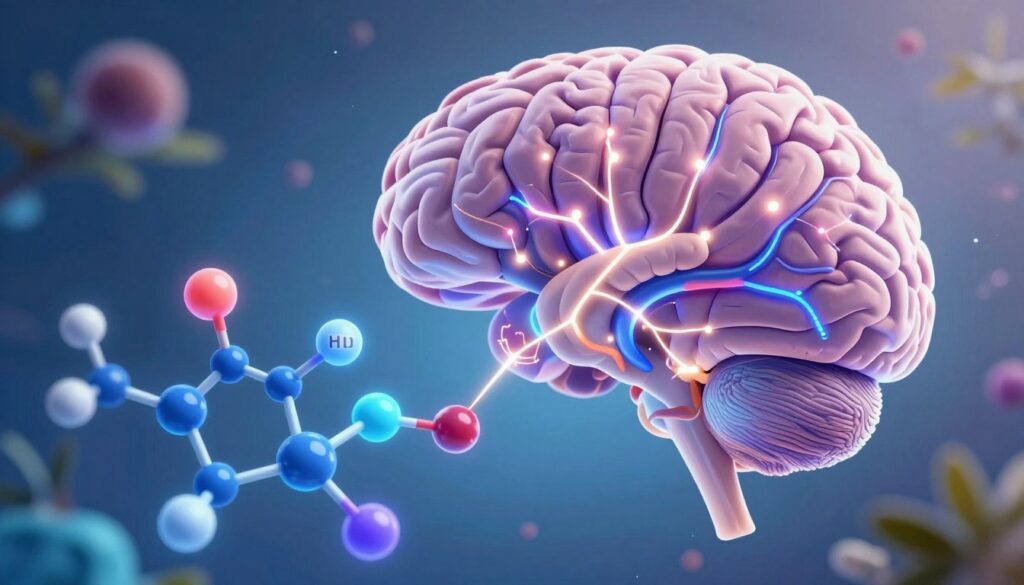
The cycle of PMDD is tied to serotonin receptor modulation. As progesterone levels change, your brain’s chemical balance may waver. Experts suggest support systems, like vitamin D for PMDD, to stabilize your health.
“The brain is a complex organ, and when its chemical signaling is disrupted by cyclic hormonal changes, the emotional impact can be profound and debilitating for the individual.”
Studies show SSRIs as a first-line treatment for PMDD. These medications boost serotonin levels in your brain. By addressing PMDD brain chemistry, they help balance your emotions during tough times.
Genetic Influences
Research shows that PMDD often has a strong genetic link. This means how your body reacts to hormonal changes can be influenced by your genes. While the environment also plays a role, studies suggest genetics are key in how severe symptoms are. Knowing this can help you feel more in control of your health.
Looking at your family history is important for researchers studying underlying mechanisms of PMDD. You might see patterns in your family that match what doctors see in patients. These patterns show how inherited traits affect your sensitivity to hormonal changes.

Twin studies have given us strong evidence about the genetic basis of PMDD. By comparing twins, scientists found that genetics play a big role in symptoms. This means your DNA might make you more likely to feel the debilitating effects of hormonal changes.
The table below shows how different research methods help us understand genetic links:
| Research Method | Primary Focus | Key Insight |
|---|---|---|
| Family History | Generational patterns | Identifies hereditary risk factors |
| Twin Studies | Genetic variance | Confirms biological susceptibility |
| Marker Analysis | Specific DNA sequences | Links genes to causes of PMDD |
Talking to your healthcare provider about these findings is a vital step in managing PMDD. By understanding the genetic aspect, you can tailor your treatment to fit your needs. This way, you can take charge of your health and well-being.
Current Scientific Evidence
Understanding scientific evidence PMDD management means looking at both medicine and nutrition. The causes of pmdd research is always changing. Now, doctors recommend a mix of treatments to help symptoms.
Starting with nutrition is common for many women. Studies show certain nutrients help with hormones and mood. Check out this guide for women to learn how supplements can help lessen symptoms.
Some nutrients have been shown to help with mood:
- Calcium: Studies show it can lessen physical and emotional symptoms.
- Omega-3 Fatty Acids: They help with mood and reduce inflammation.
- Magnesium: It supports the nervous system and may help with irritability and water retention.
- Vitamin D: It’s key for hormonal health and may affect neurotransmitters.
It’s key to know the difference between proven treatments and those needing more study. While some supplements seem to work, the scientific evidence PMDD community looks for solid research. For the latest on these treatments, check out this clinical resource.
Your treatment should fit your health needs. Always talk to a doctor before trying new supplements. With the right nutrition and medical advice, you can manage your health better.
Research Gaps
While researchers have found important factors, the full story of PMDD is not yet complete. Much of the PMDD research today uses small groups that might not show the whole picture. This makes it hard to apply findings to a wide range of people.
Many studies lack diversity in their participants. When trials don’t include a variety of backgrounds, the results might not reflect how different experiences or genes affect the disorder. Broadening the scope of these studies is key to creating treatments that work for everyone.

Another big challenge in PMDD research is the lack of long-term studies. Most studies only look at a patient’s health at one point in time. Without tracking changes over years, it’s hard to see how the condition changes or affects a person’s life.
Future research needs to focus on thorough and inclusive studies to fill these gaps. By following patients over time, scientists can better understand how the disorder progresses. This will help create better treatments for everyone.
Identifying these gaps is a critical step for the medical community. By pushing for more PMDD research, we help move toward better diagnostic tools and care tailored to each person. Supporting studies that focus on diversity and long-term tracking is the best way to improve outcomes for all.
FAQ
Dealing with PMDD can be tough, but finding answers is key to feeling better. Look for scientific evidence PMDD management strategies from trusted medical sources. Start with a PMDD self-care quiz to understand your symptoms better before your next doctor visit.
How is PMDD typically diagnosed? Doctors usually track your symptoms for at least two menstrual cycles. They look for a pattern where symptoms show up in the luteal phase and go away after your period starts. Keeping a detailed symptom diary is the best way to help your doctor.
What does the latest scientific evidence PMDD research suggest for treatment? Studies now suggest a mix of lifestyle changes, cognitive behavioral therapy, and sometimes SSRIs. Always talk to your doctor to find the right treatment for you.
Can I manage symptoms on my own? While getting professional help is important, you can also make changes to feel better. Try these evidence-based habits:
- Prioritizing consistent sleep hygiene to regulate mood.
- Engaging in regular, moderate physical activity.
- Reducing intake of caffeine and alcohol during the luteal phase.
How should I talk to my doctor about my concerns? Be ready to share your symptom logs and explain how they affect your daily life. Using scientific evidence PMDD helps you speak up for yourself. Remember, you know your body best, and your doctor is there to help you.
Conclusion
Understanding your symptoms is key to feeling better. Biological, genetic, and chemical factors make everyone different. This means you need a care plan that fits you.
Using proven strategies can make your life better. A PMDD diet plan and medicine together can help manage your symptoms. This approach tackles the hormonal changes that affect your life.
Keeping up with PMDD research helps you ask for the right care. You can work with your doctors to improve your treatment. Tracking your symptoms helps you understand what works best for you.
New discoveries in PMDD research are exciting. Staying informed puts you ahead in finding the best care. Keep seeking help as new research comes out.