
Premenstrual Dysphoric Disorder (PMDD) is more than just mood swings. It’s a severe condition that affects your daily life, emotions, and work. For many women, the menstrual cycle’s luteal phase brings intense irritability, anxiety, and pain.
Understanding PMDD’s diagnostic criteria is key to getting better. When looking for relief, it’s important to use evidence-based management strategies. An anti-inflammatory diet for PMDD can be a strong start for your health journey.
The latest omega 3 pmdd research shows that nutrition can help reduce inflammation. By looking at the latest studies, you can make better choices for your care. This guide will show how supplements and diet changes can help manage your symptoms well.
Key Takeaways
- PMDD is a severe condition that significantly impacts emotional and physical well-being.
- Clinical diagnosis relies on specific criteria to distinguish PMDD from standard premenstrual syndrome.
- Evidence-based nutrition serves as a cornerstone for managing hormonal health and inflammation.
- Recent omega 3 pmdd research highlights the potential for fatty acids to support symptom relief.
- A holistic approach, including dietary changes, empowers you to take control of your health journey.
What Are Omega-3 Fatty Acids?
Omega-3 fatty acids are essential fats that are vital for your brain and hormonal balance. Your body can’t make these fats, so you need to get them from food or supplements. They are key to cell structure and help control inflammation in your body.
The two main types of omega-3s are Eicosapentaenoic acid (EPA) and Docosahexaenoic acid (DHA). Studies show they boost brain function and mood. For more on their mood benefits, check out this resource on omega-3 fatty acids for mood.
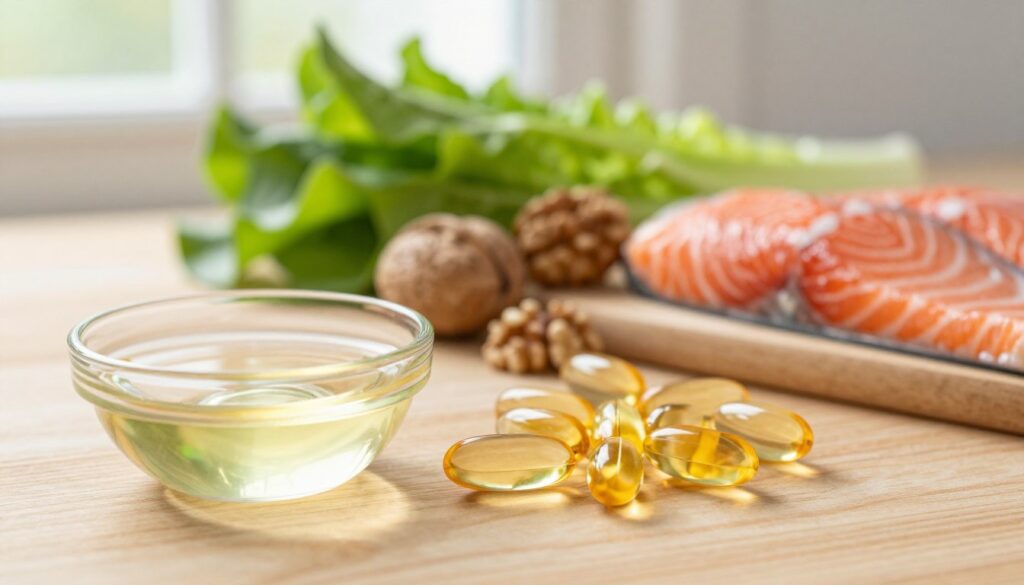
When looking at omega 3 for PMDD, it’s key to know they affect your endocrine system. They help manage hormones and reduce inflammation, easing PMDD symptoms. For more on their role, see this comprehensive guide on omega 3 for.
The table below shows the main differences and roles of EPA and DHA. It helps you see how they contribute to your health:
| Feature | EPA (Eicosapentaenoic Acid) | DHA (Docosahexaenoic Acid) |
|---|---|---|
| Primary Role | Anti-inflammatory support | Structural brain health |
| Mental Health | Helps regulate mood and stress | Supports cognitive clarity |
| Hormonal Impact | Reduces systemic inflammation | Supports cell membrane fluidity |
| Best Source | Cold-water fatty fish | Algae and fish oils |
Consistency is key when adding these nutrients to your diet. Keeping enough EPA and DHA helps manage hormonal changes. Knowing how they work helps you plan for better health.
Research Findings
The current omega 3 pmdd research shows a mixed picture. Scientists have been studying if long-chain fatty acids help with mood swings in the luteal phase. Some studies are hopeful, but others show that results can differ a lot.
Studies on fish oil PMDD give us insight into how food affects hormones. They look at mood changes and compare them to a placebo. This helps figure out if the supplements really help.
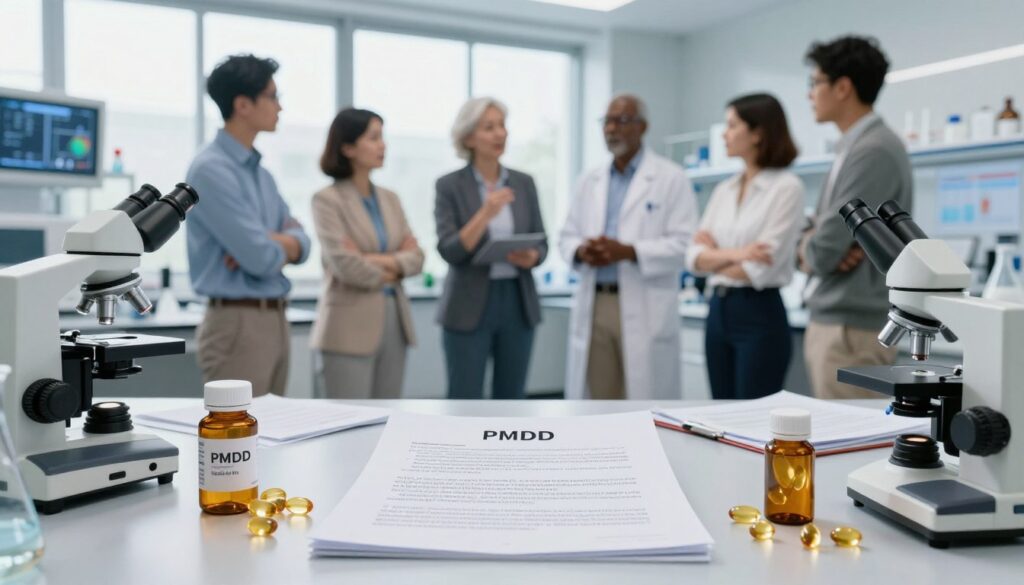
Systematic reviews say the data is promising but not clear-cut. Many trials are small, which makes it hard to draw big conclusions. If you’re looking into supplements for PMDD, see these findings as part of a bigger wellness plan.
The table below shows how different studies view fatty acids’ effect on symptoms.
| Study Type | Primary Focus | Key Outcome |
|---|---|---|
| Randomized Controlled Trial | Symptom Reduction | Moderate improvement in mood |
| Meta-Analysis | Data Aggregation | Mixed evidence on physical pain |
| Systematic Review | Safety and Efficacy | High safety profile noted |
The current omega 3 pmdd research shows these supplements could help many women. But, talking to a healthcare provider about fish oil PMDD is key. This ensures it fits your health needs. By choosing high-quality, evidence-based options, you can make better choices for your health.
Potential Mechanisms
It’s interesting to think about how simple nutrients can change how our brain and body handle the luteal phase. Looking at omega 3 for PMDD shows how fatty acids affect cell membranes and brain signals.
These nutrients help control neurotransmitters, like serotonin, which drops before your period. The right PMDD supplements can keep these messengers steady, easing mood swings.
These nutrients also fight systemic inflammation, which rises during your cycle. This inflammation can cause pain and mood changes. By lowering these markers, you make your body’s environment more stable.
“Nutrition is not just fuel; it is the information that tells your genes how to express themselves and your hormones how to behave.”
For a full approach, you mix different nutrients to tackle various issues. Learn more about a balanced routine with a PMDD diet plan that focuses on key nutrients. Using omega 3 for PMDD with calcium and vitamin D has a stronger effect than single nutrients.
Magnesium calms your nervous system, and vitamin D helps with hormone balance. Seeing PMDD supplements as part of a holistic strategy helps your body handle hormonal changes better. This is why experts say to look at your whole diet, not just one thing.
Limitations of Current Evidence
The idea of PMDD omega 3 helping with mood is promising. Yet, the science is not yet clear. Many seek natural ways to feel better. But, it’s key to understand that the research is ongoing.
One big issue is the inconsistency in studies. Many trials have small groups, making it hard to apply findings widely. Also, different dosages are used, making it tough to give a single recommendation.
Because of these issues, scientists face challenges in drawing conclusions. We need bigger, longer studies to confirm these early signs of help. If you’re dealing with mood swings, looking into a recipe for emotional control might be helpful until more solid research comes out.
It’s important to have realistic hopes when talking about food and mood with your doctor. Science moves slowly, and everyone’s body is different. Always listen to your doctor’s advice over personal stories.
| Study Variable | Current Limitation | Future Requirement |
|---|---|---|
| Sample Size | Often too small | Large-scale cohorts |
| Dosage | Highly variable | Standardized protocols |
| Duration | Short-term focus | Long-term monitoring |
FAQ
Many people wonder how to add PMDD omega 3 supplements to their daily routine. Research looks promising, but the first step is to always talk to your doctor before starting. They can check if it’s right for you based on your health and medicines.
Tracking your symptoms is key to getting better. Keeping a detailed log of your moods and physical changes helps your doctor see if the supplements are working for you.
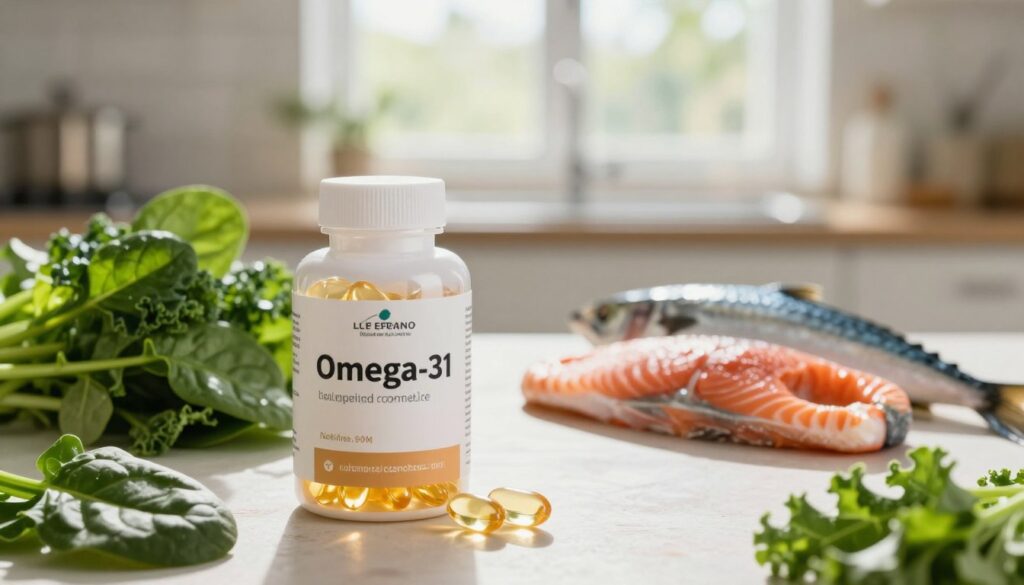
Here are some practical steps to safely add PMDD omega 3 to your life:
- Keep a daily journal to track your symptoms.
- Talk to your pharmacist or doctor about possible interactions.
- Make decisions based on evidence, not just stories.
- Watch your progress for at least three cycles to see patterns.
Remember, supplements are meant to help, not replace your treatment. If you notice any side effects or changes, call your doctor right away. Open communication with your doctor is the safest way to manage your health.
Finding the right balance for your body takes time and patience. Using PMDD omega 3 as part of a doctor-supervised plan can make you feel more in control of your health journey.
Conclusion
Understanding hormonal health is key. Adding fish oil PMDD research to your wellness plan might help. But remember, it’s just one part of the puzzle.
Just using PMDD supplements might not solve all your problems. A good plan includes lifestyle changes, medical advice, and the right nutrients. This mix helps you get the best care for your needs.
Your health journey is personal. You need a plan that fits your body and life. Talking to your doctor about fish oil PMDD is a good step.
Watch how PMDD supplements affect you. Share this info with your doctor to improve your treatment. Choosing proven methods is important for your mental and hormonal health.